

Introduction to the Salkantay Trek
The Salkantay Trek has emerged as one of the most spectacular and rewarding hiking experiences in South America. Known for its raw beauty and diverse landscapes, this trek offers a powerful alternative to the traditional Inca Trail. Unlike more regulated routes, the Salkantay Trek provides a sense of freedom and wilderness while still leading adventurers toward the legendary Machu Picchu.
The Significance of Salkantay Mountain
At the heart of the trek lies Salkantay Mountain, one of the highest and most sacred peaks in the Andes Mountains. Rising to over 6,200 meters (20,300 feet), Salkantay was revered by the Inca civilization as an Apu, or mountain spirit. Even today, it holds spiritual significance for local communities who honor its presence through traditions and rituals.
Route Overview and Duration
The Salkantay Trek typically spans five days and covers approximately 70 kilometers (43 miles). It begins near the historic region of Cusco and gradually ascends into high-altitude terrain before descending into lush cloud forests.
The trek’s highest point, the Salkantay Pass, reaches around 4,600 meters (15,100 feet), offering breathtaking views of snow-capped peaks and glacial landscapes. From there, the trail transitions dramatically into warmer, greener environments, eventually leading toward Aguas Calientes, the gateway to Machu Picchu.
Scenic Diversity Along the Trail
One of the defining features of the Salkantay Trek is its incredible ecological diversity. Hikers experience a range of environments, from icy alpine zones to tropical jungles within a matter of days.
In the early stages, trekkers are surrounded by rugged mountain scenery and glacial lakes. As the journey progresses, the landscape softens into cloud forests filled with orchids, butterflies, and exotic birds. This constant change keeps the experience dynamic and visually captivating, making every day of the trek unique.
Cultural Encounters and Local Life
The Salkantay route also offers meaningful cultural interactions. Along the way, trekkers pass through remote villages where traditional Andean lifestyles are still preserved. Local farmers, artisans, and families provide a glimpse into daily life in the highlands of Peru.
Unlike the more commercialized Inca Trail, the Salkantay Trek allows for a deeper connection with local communities. Travelers often have opportunities to learn about agriculture, traditional foods, and cultural practices that have been passed down for generations.
Physical Challenge and Preparation
The Salkantay Trek is considered moderately to highly challenging, requiring good physical fitness and mental endurance. The high altitude, steep ascents, and long walking distances can be demanding, especially for those unaccustomed to mountain trekking.
Preparation is essential. Spending time acclimatizing in Cusco before starting the trek helps reduce the risk of altitude sickness. Training with long hikes and building stamina can significantly improve the overall experience.
Proper gear is equally important. Trekkers should be equipped with sturdy hiking boots, layered clothing, rain protection, and essential supplies to handle varying weather conditions.
Why Choose the Salkantay Trek?
The Salkantay Trek stands out as an exceptional choice for several reasons. It offers fewer crowds compared to the Inca Trail, allowing for a more peaceful and immersive experience. Additionally, it does not require the same strict permit system, making it more accessible for travelers with flexible plans.
The trek’s combination of dramatic landscapes, cultural richness, and physical challenge creates a well-rounded adventure. For many, it provides a deeper sense of accomplishment and connection to nature.
Arrival at Machu Picchu
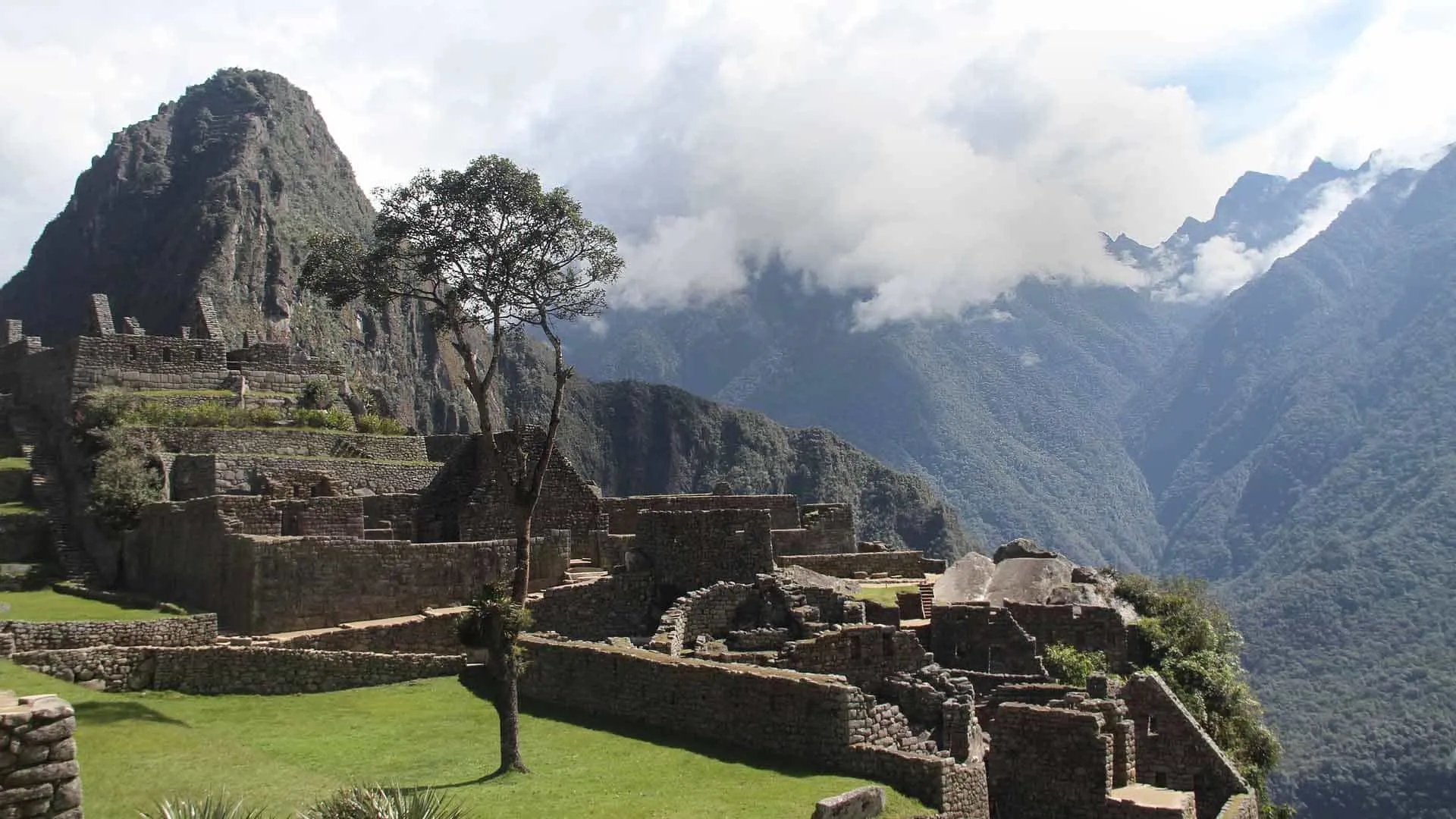
Although the Salkantay Trek differs from the Inca Trail, it ultimately leads to the same iconic destination Machu Picchu. After days of trekking, reaching this ancient citadel feels even more rewarding.
Travelers typically arrive via Aguas Calientes and then take a short bus ride or hike up to Machu Picchu. The sight of the ruins, set against the backdrop of towering peaks, is a powerful moment that marks the culmination of the journey.
Best Time to Trek
The ideal time to undertake the Salkantay Trek is during the dry season, from May to September. During this period, the weather is more stable, with clearer skies and better trail conditions.
The rainy season, from November to March, brings lush greenery but also muddy paths and increased difficulty. While trekking is still possible, it requires extra preparation and caution.
Responsible and Sustainable Trekking
As the popularity of the Salkantay Trek grows, responsible tourism becomes increasingly important. Trekkers are encouraged to follow environmental guidelines, minimize waste, and respect local communities.
Choosing ethical tour operators that support local workers and promote sustainable practices helps preserve the natural and cultural integrity of the region.
Conclusion
The Salkantay Trek is more than just a route to Machu Picchu; it is a journey through some of the most diverse and breathtaking landscapes on Earth. From the towering presence of Salkantay Mountain to the vibrant cloud forest, every step offers a new perspective and a deeper connection to nature and culture.
For those seeking adventure beyond the ordinary, the Salkantay Trek provides an unforgettable experience that combines challenge, beauty, and discovery. It is a path that not only leads to Machu Picchu but also to a greater appreciation of the world’s natural and cultural wonders.
Key Takeaways
-
The Salkantay Trek is an alternative to the Inca Trail, offering fewer crowds and greater flexibility.
-
Salkantay Mountain holds deep spiritual significance in Andean culture and dominates the trek’s landscape.
-
The route features diverse ecosystems, from high-altitude glaciers to tropical cloud forests.
-
Physical preparation is essential due to the trek’s terrain and altitude.
-
Cultural interactions enrich the experience, providing insight into traditional Andean life.
-
The trek ultimately leads to Machu Picchu, making it both an adventurous and rewarding journey.
-
Responsible tourism helps preserve the region, ensuring its beauty and heritage remain intact for future travelers.
