

The Everest Base Camp Gokyo Cho La Pass Trek is one of the most rewarding and challenging journeys in Nepal’s Everest region. It combines three extraordinary experiences in one itinerary: reaching the legendary Everest Base Camp, crossing the high-altitude Cho La Pass, and exploring the beautiful turquoise lakes of the Gokyo Valley.

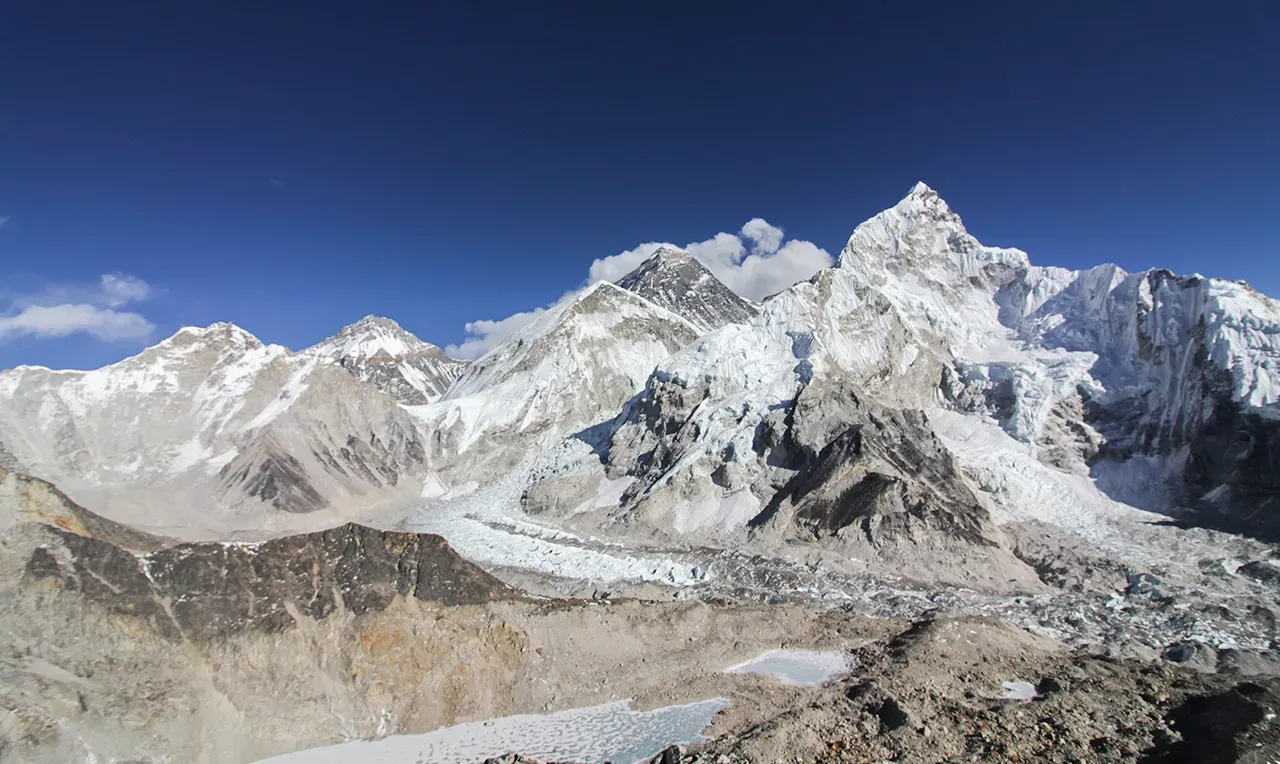
Unlike the classic Everest Base Camp route, this trek takes you away from the main trail and into a more varied Himalayan landscape. You experience Sherpa villages, Buddhist monasteries, dramatic glaciers, high mountain passes, alpine lakes, and panoramic views of Everest, Lhotse, Makalu, Cho Oyu, and other Himalayan peaks.
With proper acclimatization, physical preparation, and experienced guidance, the trek offers an unforgettable combination of adventure, culture, and mountain scenery.
Everest Base Camp Gokyo Cho La Pass Trek Overview
This trek generally takes around 16–19 days, depending on the itinerary, acclimatization days, side trips, and flight schedules. The highest point is usually Kala Patthar at approximately 5,545 meters, while Cho La Pass reaches about 5,420 meters and Gokyo Ri about 5,357 meters.
|
Trek Feature |
Details |
|
Region |
Everest / Khumbu |
|
Main destinations |
Everest Base Camp, Gokyo Valley, Cho La Pass |
|
Typical duration |
16–19 days |
|
Everest Base Camp altitude |
Approx. 5,364 m |
|
Cho La Pass |
Approx. 5,420 m |
|
Gokyo Ri |
Approx. 5,357 m |
|
Kala Patthar |
Approx. 5,545 m |
|
Difficulty |
Challenging |
|
Accommodation |
Teahouses and mountain lodges |
|
Best seasons |
Spring and autumn |
|
Starting point |
Usually Lukla |
|
Maximum altitude |
Around 5,545 m |
Exact walking distances and itinerary details vary according to the route and trekking company.
Why Choose the Everest Base Camp Gokyo Cho La Pass Trek?
The biggest advantage of this itinerary is that it combines several highlights of the Everest region rather than following a single out-and-back trail.
1. Everest Base Camp
Reaching Everest Base Camp is the primary objective for many trekkers. The trail passes through famous settlements including Namche Bazaar, Tengboche, Dingboche, and Lobuche before reaching Gorak Shep and Everest Base Camp.
At Base Camp, you can experience the atmosphere of the world’s highest mountain expedition area while surrounded by enormous Himalayan peaks and glaciers.
2. Crossing Cho La Pass
Cho La is the adventure centerpiece of the trek. At approximately 5,420 meters, it connects the Everest side of the Khumbu with the Gokyo Valley.
The crossing involves steep terrain and glacial conditions, so weather and snow conditions should be assessed carefully before attempting the pass. Depending on the season, trekkers may need traction equipment such as microspikes or crampons.
3. Exploring Gokyo Lakes
The Gokyo Valley provides a completely different landscape from the Everest Base Camp trail. Its famous turquoise and blue glacial lakes sit beneath towering Himalayan peaks.
The area is also home to the enormous Ngozumpa Glacier, adding another spectacular feature to the trek.
4. Gokyo Ri Panorama
An early-morning climb of Gokyo Ri provides one of the major viewpoints of the journey. At around 5,357 meters, the summit offers broad Himalayan views including Everest, Lhotse, Makalu, and Cho Oyu when weather conditions are clear.
Suggested Everest Base Camp Gokyo Cho La Pass Trek Itinerary
A well-planned itinerary should prioritize gradual acclimatization rather than trying to cover long distances too quickly.
Day 1: Kathmandu Arrival
Arrive in Kathmandu and prepare for the trek. Meet your trekking team, check equipment, and attend a pre-trek briefing.
Day 2: Fly to Lukla and Trek to Phakding
The adventure begins with a flight to Lukla. From Lukla, trek through villages and forested terrain toward Phakding.
Day 3: Phakding to Namche Bazaar
The trail follows the Dudh Koshi River and enters Sagarmatha National Park. Several suspension bridges lead toward Namche Bazaar, the main commercial center of the Khumbu region.
Day 4: Acclimatization at Namche
Spend a day acclimatizing. Short hikes around Namche help your body adjust to increasing elevation while providing excellent views of the surrounding mountains.
Day 5: Namche to Tengboche
Continue toward Tengboche, home to one of the region’s best-known Buddhist monasteries. The route offers impressive views of Everest, Ama Dablam, Lhotse, and surrounding peaks.
Day 6: Tengboche to Dingboche
The landscape gradually changes as you climb above the tree line. Dingboche is an important acclimatization settlement and a common overnight stop.
Day 7: Acclimatization in Dingboche
Take a rest and acclimatization day. A short hike to a nearby viewpoint helps prepare the body for higher elevations.
Day 8: Dingboche to Lobuche
The trail climbs toward the Khumbu Glacier and passes memorials dedicated to climbers and mountaineers. Lobuche is situated in a dramatic high-altitude environment.
Day 9: Lobuche to Everest Base Camp and Gorak Shep
Trek toward Gorak Shep before continuing to Everest Base Camp. After spending time at Base Camp, return to Gorak Shep for the night.
Day 10: Kala Patthar and Dzongla
An early-morning hike to Kala Patthar provides spectacular mountain views. After descending, continue toward Dzongla, positioning yourself for the Cho La crossing.
Day 11: Cross Cho La Pass to Thangnak
This is one of the most demanding days of the trek. The route climbs toward Cho La and crosses high-altitude terrain before descending toward the Gokyo side.
Weather, snow, ice, and visibility can significantly affect this section, making an experienced guide particularly valuable.
Day 12: Thangnak to Gokyo
Continue through the high Himalayan landscape toward Gokyo. The turquoise lakes and surrounding mountains create a dramatic change in scenery.
Day 13: Gokyo Ri and Gokyo Valley Exploration
Wake early for the climb to Gokyo Ri. After enjoying the mountain panorama, return to Gokyo and explore the surrounding lakes and valley.
Day 14–16: Gokyo to Namche and Lukla
Begin the return journey through the Gokyo Valley and lower Khumbu. Depending on the itinerary, overnight stops may include Dole and Namche before reaching Lukla.
Final Day: Fly Back to Kathmandu
Take the flight from Lukla to Kathmandu, subject to weather and operational conditions.
The itinerary above is an example; actual trekking schedules can change because of weather, acclimatization requirements, trail conditions, and flight operations.
Difficulty of the Trek
The Everest Base Camp Gokyo Cho La Pass Trek is a challenging high-altitude trek. It is considerably more demanding than the standard Everest Base Camp itinerary because it combines several high-altitude sections with a pass crossing.
Trekkers should be comfortable walking approximately 5–8 hours on many trekking days, sometimes over steep and uneven terrain.
The most demanding sections generally include:
-
Long climbs above 4,000 meters
-
The approach to Everest Base Camp
-
The ascent toward Kala Patthar
-
Cho La Pass crossing
-
Descents over rocky and glacial terrain
-
Extended exposure to high altitude
Previous high-altitude trekking experience is helpful but not always essential for a fit and properly prepared trekker. Physical conditioning and gradual acclimatization are extremely important.
Altitude and Acclimatization
Altitude is one of the most important considerations on this trek. The itinerary should include acclimatization days at appropriate elevations rather than rushing toward Base Camp or Cho La.
Common symptoms of altitude sickness can include headache, nausea, dizziness, unusual fatigue, and difficulty sleeping. Trekkers should communicate symptoms to their guide immediately and never continue upward when serious symptoms develop.
A sensible pace, adequate hydration, proper nutrition, and sufficient rest can help reduce altitude-related problems.
Best Time for the Everest Base Camp Gokyo Cho La Pass Trek
The two principal trekking seasons are spring and autumn.
Spring: March to May
Spring provides relatively stable conditions, longer daylight hours, and warmer temperatures at lower elevations. Rhododendron forests around the lower Khumbu can also add color to the landscape.
Autumn: September to November
Autumn is especially popular because the monsoon generally leaves clearer skies and excellent mountain visibility. October and November are commonly regarded as favorable months for the Cho La crossing.
Winter and Monsoon
Winter can bring very cold temperatures and heavy snow around high passes. Monsoon months can bring cloud, rain, slippery trails, and flight disruptions. Conditions at Cho La can be significantly more difficult during unfavorable weather.
Permits and Trekking Requirements
The Everest region falls within Sagarmatha National Park, and trekkers require the relevant national park and local-area permissions.
Current 2026 sources report a Sagarmatha National Park permit of NPR 3,000 for foreign trekkers and a Khumbu Pasang Lhamu Rural Municipality permit of NPR 3,000, although fees and administrative requirements can change, so trekkers should confirm the latest requirements before departure.
The Nepal Tourism Board also states that Everest-region routes including Everest Base Camp, Gokyo, and Cho La are among routes where trekkers are required to be accompanied by a licensed trekking guide under the revised TIMS provisions.
What to Pack
Because this trek reaches above 5,000 meters, appropriate equipment is essential.
Recommended items include:
-
Waterproof trekking boots
-
Warm down jacket
-
Thermal base layers
-
Fleece or insulating layers
-
Waterproof jacket and trousers
-
Warm hat and gloves
-
Sunglasses and sunscreen
-
Trekking poles
-
Sleeping bag suitable for cold conditions
-
Headlamp and spare batteries
-
Water bottles or hydration system
-
Personal first-aid supplies
-
High-altitude medication as advised by a medical professional
-
Microspikes or crampons when conditions require them
A good packing strategy balances warmth and safety with keeping your backpack manageable.
Accommodation and Food
Most nights are spent in teahouses and mountain lodges. Facilities become increasingly basic as you climb higher, although the major trekking settlements generally offer dining rooms, beds, and basic amenities.
Typical meals include dal bhat, noodles, rice, pasta, soups, potatoes, eggs, bread, and other simple dishes. Staying hydrated and maintaining sufficient calorie intake is particularly important during high-altitude trekking.
Trekking With a Guide
A qualified local guide can provide valuable assistance with route navigation, altitude management, weather assessment, accommodation arrangements, and decisions around the Cho La crossing.
This is particularly important because the conditions on a high mountain pass can differ considerably from those in lower villages. A route that appears straightforward from a lower elevation may become difficult because of fresh snow, ice, or poor visibility.
Essential Preparation
Start physical preparation several weeks or months before the trek. Walking, hiking, stair climbing, and cardiovascular training can improve endurance. Strengthening the legs and core is also useful because the trail includes repeated ascents and descents.
More importantly, prepare mentally for variable weather, long walking days, basic accommodation, and changes to the itinerary.
Flexibility is essential in the Everest region because flights to and from Lukla and high-pass crossings can be affected by weather.
Conclusion
The Everest Base Camp Gokyo Cho La Pass Trek offers an exceptional way to experience the diversity of Nepal’s Khumbu region. Rather than focusing on Everest Base Camp alone, the journey combines the iconic Base Camp, spectacular Kala Patthar, challenging Cho La Pass, magnificent Gokyo Lakes, and panoramic Gokyo Ri.
The trek demands good preparation and respect for altitude, especially during the Cho La crossing. Choosing an appropriate season, allowing sufficient acclimatization, carrying suitable equipment, and trekking with experienced guidance can make the journey safer and more enjoyable.
For trekkers seeking a demanding Himalayan adventure that combines Everest Base Camp, high-altitude landscapes, glacial terrain, Sherpa culture, and the peaceful beauty of Gokyo Valley, this route provides one of the most comprehensive trekking experiences in the Everest region.