

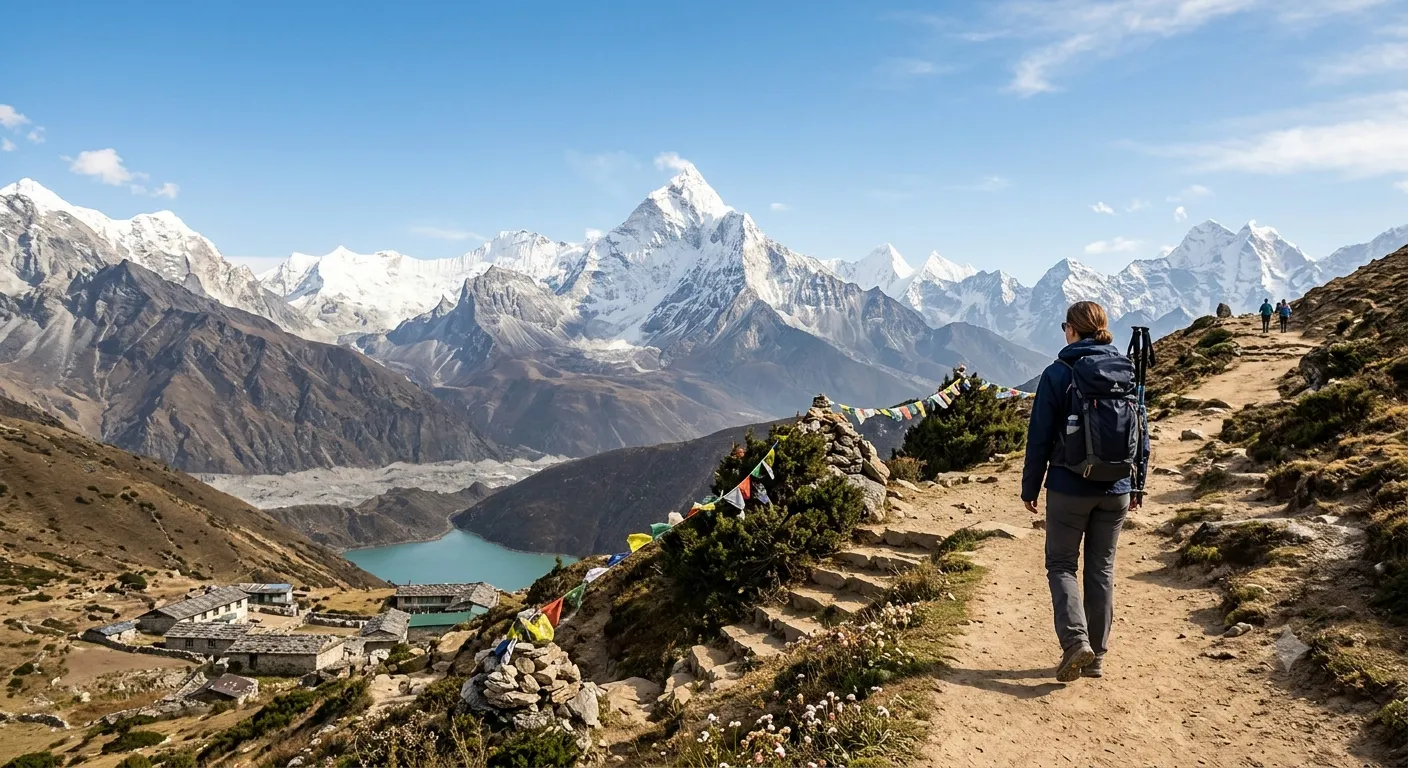
The peaceful Everest viewpoint trek is an ideal Himalayan adventure for travelers who want to enjoy spectacular mountain scenery without committing to a long and physically demanding expedition. This rewarding journey offers magnificent views of Mount Everest and other famous Himalayan peaks while allowing trekkers to experience Sherpa culture, quiet mountain trails, traditional villages, and the peaceful atmosphere of the Everest region.
Unlike more strenuous high-altitude adventures, this trek focuses on scenic viewpoints, cultural experiences, and a comfortable trekking pace. It is a wonderful choice for beginners, families, photographers, nature lovers, and travelers with limited time. With breathtaking landscapes and welcoming communities along the route, the journey provides a memorable introduction to the beauty of Nepal’s Himalayas.
Why Choose a Peaceful Everest Viewpoint Trek?
A major attraction of the peaceful Everest viewpoint trek is the balance between adventure and relaxation. Travelers can experience the legendary Everest region without necessarily walking all the way to Everest Base Camp. The route provides excellent mountain panoramas from accessible viewpoints while passing through forests, valleys, suspension bridges, and charming settlements.
The journey is particularly suitable for those who prefer shorter walking days and more time to appreciate their surroundings. Instead of focusing only on reaching a distant destination, trekkers can enjoy every stage of the experience. Morning mountain views, quiet forest paths, conversations with local people, and peaceful evenings in Himalayan lodges all become important parts of the adventure.
A Scenic Beginning from Lukla
For many travelers, the journey begins with a flight to Lukla, the famous gateway to the Everest region. From here, the trail gradually enters the beautiful landscapes of the Khumbu area. Trekkers follow paths beside the Dudh Koshi River, cross suspension bridges, and walk through small villages surrounded by green hills.
The early sections of the route provide a gentle introduction to trekking in the Himalayas. Prayer wheels, mani stones, colorful prayer flags, and traditional houses add cultural character to the landscape. The sound of flowing rivers and the sight of distant snow-covered peaks create a calm atmosphere from the beginning.
Namche Bazaar and Sherpa Culture
One of the highlights of the trek is Namche Bazaar, the main trading center of the Everest region. Built on a natural hillside, this colorful mountain town offers comfortable lodges, bakeries, cafés, shops, and impressive views of the surrounding peaks.
Spending time in Namche also supports proper acclimatization. Trekkers can explore nearby trails, visit cultural attractions, or simply enjoy the mountain environment. The area provides valuable opportunities to learn about Sherpa traditions and the history of Himalayan mountaineering.
The Sherpa people have a deep connection with the Everest region. Their hospitality, spiritual traditions, and knowledge of the mountains add meaning to the trekking experience. Visiting local villages and monasteries allows travelers to understand that the Himalayas are not only an adventure destination but also a living cultural landscape.
Spectacular Everest Viewpoints
The main purpose of a peaceful Everest viewpoint trek is to reach locations that offer outstanding Himalayan panoramas. Depending on the selected itinerary, trekkers may visit viewpoints around Namche Bazaar, Khumjung, Syangboche, or other scenic areas.
From these locations, clear weather can reveal remarkable views of Mount Everest, Ama Dablam, Lhotse, Thamserku, Kongde Ri, and several other peaks. Ama Dablam is especially impressive because of its elegant shape and dramatic position above the surrounding valleys.
Sunrise is often one of the best times for mountain viewing. As the first light reaches the snow-covered summits, the landscape changes gradually in color and character. These quiet morning moments are among the most memorable experiences of the entire trek.
Peaceful Trails and Natural Beauty
The Everest region is known for dramatic mountain scenery, but its lower trekking routes also feature beautiful forests and diverse natural environments. Trekkers may walk through areas filled with pine, fir, juniper, and rhododendron trees. During the spring season, blooming rhododendrons can bring vivid color to the hillsides.
The peaceful character of the journey becomes especially noticeable away from busy settlements. Forest paths, river valleys, open ridges, and small villages provide a refreshing contrast to crowded urban life. For many travelers, simply walking through this environment becomes a form of mental relaxation.
Wildlife may also be seen along the route. Depending on location and luck, trekkers can observe Himalayan birds and other mountain species. Responsible trekking practices help protect this fragile environment for future visitors.
Best Time for the Trek
The most popular seasons for a peaceful Everest viewpoint trek are spring and autumn. Spring, generally from March to May, offers pleasant temperatures, colorful vegetation, and attractive mountain scenery. Autumn, from late September through November, is widely appreciated for stable weather and clear Himalayan views.
Winter can also be rewarding for travelers who are comfortable with colder conditions. Some trails may feel quieter during this period, creating a more peaceful experience. However, temperatures can drop significantly, especially at night and in higher locations.
Weather in the Himalayas can change quickly in any season. Proper preparation, flexible planning, and suitable clothing are therefore essential.
Fitness and Preparation
Although this journey is generally less demanding than longer high-altitude expeditions, a reasonable level of fitness is still important. Trekkers should prepare for several hours of walking on uneven mountain trails. Regular hiking, stair climbing, cycling, jogging, or other cardiovascular exercises can help improve endurance before departure.
A comfortable pair of trekking boots is essential. Other useful items include layered clothing, a warm jacket, rain protection, gloves, a hat, sunscreen, sunglasses, a reusable water bottle, and a small daypack.
Walking slowly is particularly important at altitude. A relaxed pace gives the body more time to adjust and allows trekkers to enjoy the landscape without unnecessary pressure.
A Meaningful Himalayan Experience
The peaceful Everest viewpoint trek is more than a short mountain holiday. It combines Himalayan scenery, cultural discovery, physical activity, and moments of genuine tranquility. Travelers can see some of the world’s most famous peaks while experiencing the warmth of mountain communities and the natural beauty of the Khumbu region.
For those who dream of seeing Mount Everest but prefer a manageable and scenic itinerary, this trek is an excellent choice. It provides adventure without requiring an extreme expedition and cultural depth without rushing through the landscape.
Short Everest Trekking Experience: A Perfect Himalayan Adventure in Limited Time
The Everest region is one of the most inspiring trekking destinations in the world. Famous for dramatic mountain landscapes, traditional Sherpa villages, Buddhist monasteries, and unforgettable views of the world’s highest peaks, this region attracts adventurers from every corner of the globe. However, not everyone has enough time to complete a long journey to Everest Base Camp. A short Everest trekking experience offers an excellent alternative for travelers who want to discover the beauty of the Himalayas within a limited schedule.
A shorter trek does not mean missing the true character of the Everest region. With a carefully planned itinerary, trekkers can walk through beautiful valleys, visit historic villages, experience Sherpa culture, and enjoy impressive views of Mount Everest and surrounding peaks. This makes a short journey ideal for busy travelers, first-time trekkers, families, and anyone seeking a manageable Himalayan adventure.
What Is a Short Everest Trekking Experience?
A short Everest trekking experience is generally designed for travelers who have limited vacation time but still want to explore the famous Khumbu region of Nepal. Depending on the selected route, the journey may last from four to eight days. Popular destinations can include Lukla, Phakding, Namche Bazaar, Khumjung, and nearby viewpoints.
Unlike the complete Everest Base Camp trek, which usually requires around two weeks, a shorter itinerary focuses on accessible destinations at lower or moderate elevations. Trekkers can still follow sections of the legendary Everest trail while avoiding the longer commitment required to reach Base Camp.
The journey often begins with a scenic flight to Lukla. From there, the trail passes through forests, suspension bridges, riverside settlements, and traditional mountain communities. Every day provides a different perspective of Himalayan life.
Why Choose a Short Everest Trek?
Time is one of the main reasons travelers select a shorter route. Many visitors to Nepal want to combine trekking with sightseeing, cultural exploration, or other activities. A compact Everest itinerary allows them to enjoy the mountains without spending several weeks on the trail.
Another advantage is flexibility. Shorter treks can often be adjusted according to fitness level, weather conditions, and travel preferences. Some routes are suitable for beginners, while others include more demanding climbs to panoramic viewpoints.
A short Everest trekking experience can also be a practical introduction to high-altitude trekking. Travelers who are uncertain about committing to a long expedition can first experience mountain trails, teahouse accommodation, changing weather, and moderate elevations.
Namche Bazaar: The Heart of the Khumbu Region
For many short Everest itineraries, Namche Bazaar is the main highlight. This famous mountain town is an important trading center and a major stopping point for trekkers heading deeper into the Everest region.
The approach to Namche is adventurous and scenic. Trekkers cross impressive suspension bridges and walk through pine and rhododendron forests before completing a challenging uphill climb. Upon arrival, the lively atmosphere of the town creates a memorable contrast with the surrounding wilderness.
Namche offers comfortable lodges, cafes, bakeries, local shops, and cultural attractions. On clear days, nearby viewpoints provide magnificent Himalayan scenery. Spending time here gives travelers valuable insight into the lifestyle and traditions of the Sherpa community.
Spectacular Mountain Views
One of the greatest attractions of a short Everest trekking experience is the opportunity to see some of the world’s most famous mountains. Depending on the route and weather, trekkers may enjoy views of Mount Everest, Ama Dablam, Lhotse, Thamserku, Kongde Ri, and other impressive peaks.
The scenery changes continuously along the trail. Deep valleys, glacial rivers, forested hills, rocky ridges, and snow-covered summits create a dramatic natural environment. Early mornings are particularly beautiful when the first sunlight touches the high mountains.
Even travelers who do not reach Everest Base Camp can enjoy remarkable panoramas from carefully selected viewpoints around Namche and nearby villages.
Sherpa Culture and Mountain Traditions
The Everest region is not only about mountains. Its cultural heritage is equally fascinating. The Sherpa people have lived in these high valleys for generations and are internationally respected for their mountaineering knowledge, hospitality, and deep connection with the Himalayas.
During a short trek, visitors can observe traditional stone houses, prayer wheels, mani walls, colorful prayer flags, and Buddhist monuments. Depending on the itinerary, trekkers may also visit monasteries and culturally important settlements.
Respecting local traditions adds greater meaning to the journey. Simple interactions with lodge owners, guides, porters, and village residents often become some of the most memorable parts of the adventure.
Accommodation and Food on the Trail
Most short Everest treks use local teahouses for accommodation. These mountain lodges generally provide simple rooms, dining areas, and freshly prepared meals. The teahouse system allows travelers to trek with less equipment than would be required for a camping expedition.
Food options commonly include dal bhat, noodles, soups, rice dishes, potatoes, pasta, eggs, and other basic meals. In larger settlements such as Namche Bazaar, the selection can be more extensive.
Although facilities become simpler in remote areas, the welcoming atmosphere of Himalayan lodges contributes greatly to the overall trekking experience.
Best Time for a Short Everest Trek
Spring and autumn are widely considered the most favorable seasons for trekking in the Everest region. Spring, particularly from March to May, often provides pleasant temperatures, colorful vegetation, and good mountain views.
Autumn, from September to November, is popular for its generally stable conditions and clear skies. These months are excellent for photography and panoramic scenery.
Winter trekking is also possible on some shorter routes, although temperatures can be very cold. The summer monsoon season brings rainfall, cloud cover, and possible flight disruptions, so careful planning is necessary.
Preparation and Fitness
Although a short itinerary may be less demanding than a full Everest Base Camp journey, proper preparation remains important. Trekkers should be comfortable walking for several hours on uneven mountain terrain. Regular hiking, stair climbing, cycling, and cardiovascular exercise can help improve endurance before departure.
Good trekking boots, layered clothing, a waterproof jacket, sun protection, and a comfortable backpack are essential. Travelers should also understand that altitude can affect anyone, regardless of age or physical fitness. A sensible itinerary, adequate hydration, and gradual elevation gain are important for a safer journey.
Final Thoughts
A short Everest trekking experience is an excellent choice for travelers who dream of exploring the Himalayas but cannot commit to a long expedition. It combines dramatic scenery, traditional Sherpa culture, adventurous trails, welcoming mountain lodges, and views of legendary peaks within a relatively compact itinerary.
From the exciting arrival in Lukla to the forest trails, suspension bridges, mountain villages, and panoramic viewpoints near Namche Bazaar, every stage offers something memorable. With proper planning and realistic expectations, a shorter trek can provide a genuine connection with one of the most remarkable mountain regions on Earth.
For busy travelers, beginners, and adventure seekers looking for a rewarding introduction to Nepal’s high Himalayas, a short Everest trekking experience delivers natural beauty, cultural discovery, and unforgettable moments without requiring several weeks away from home.